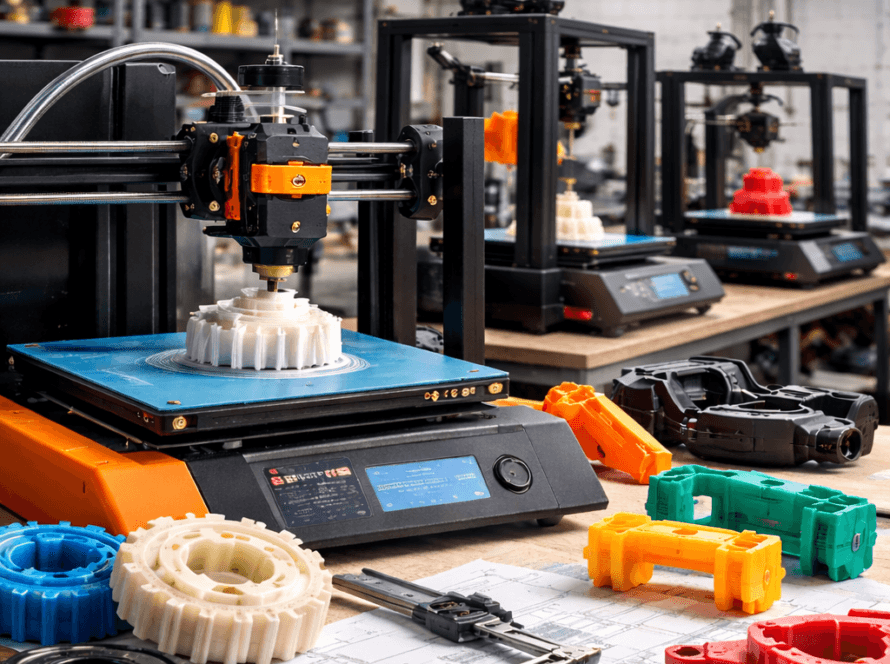
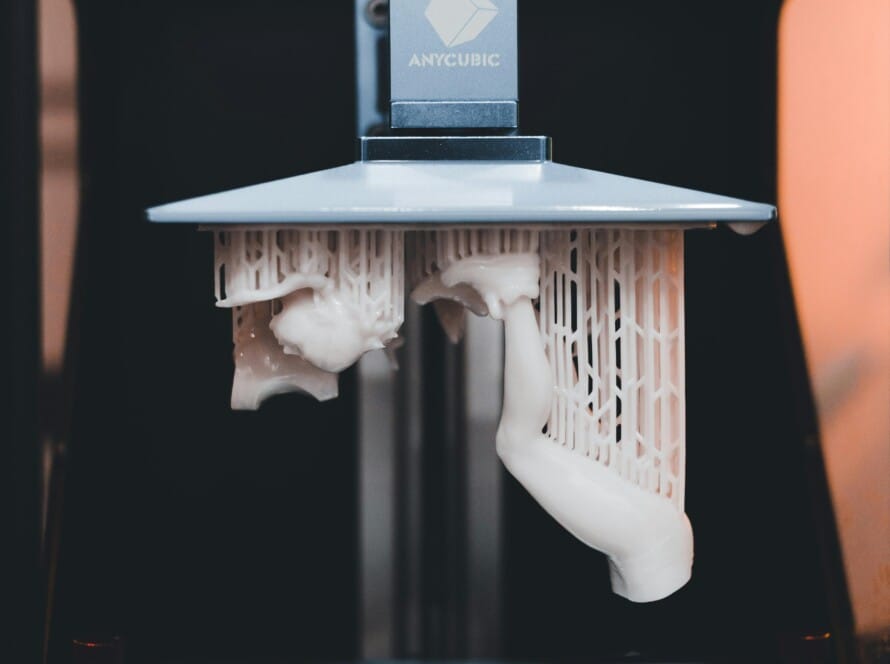
3D printing has become one of the most innovative technologies applied to interior design. What was once exclusive to industry and engineering now makes it possible to create personalized, modern, and accessible decorative objects. More and more homes are incorporating 3D-printed pieces as part of a contemporary décor style that blends design, creativity, and functionality.
The Growth of 3D-Printed Decor
The rise of 3D printing in the design world is largely driven by its ability to offer customization. Unlike traditional mass production, this technology allows sizes, colors, and details to be tailored to fit each person’s space and style. This has fueled a new generation of unique decorative products.
Another key advantage is the ability to create shapes and textures that are impossible to achieve with conventional methods. Organic geometries, parametric patterns, and woven-like surface effects are just a few examples of how the technology expands aesthetic possibilities. Additionally, materials such as PLA enable the production of decorative pieces with a lower environmental impact compared to traditional industrial processes.
What Types of Pieces Work Best in Interiors
Decorative figures and small sculptures have become some of the most popular products in the 3D-printed décor market. These pieces serve as visual accents on desks, shelves, or side tables. Geometric lamps that create unique lighting effects are also highly sought after, as well as organizers and functional accessories that combine practicality with design.
In children’s rooms or creative spaces, pieces in soft colors with pleasant textures add warmth and personality. The ability to produce custom designs makes it easy to adapt each object to the theme of the room.
How to Choose a High-Quality 3D-Printed Decor Piece
When purchasing 3D-printed décor, it is essential to evaluate print quality. The layers should appear uniform and consistent, without visible warping or defects. Material choice also plays an important role. For indoor decorative pieces, PLA is widely used due to its finish and sustainability, while other materials may offer greater durability when additional strength is required.
The final finish makes a significant difference. Some pieces include additional processes such as sanding, painting, or sealing, which enhance appearance and texture. It is also advisable to ensure that the design is original or properly licensed, especially when purchasing from online stores.
Integrating 3D-Printed Pieces into Your Home
Incorporating 3D-printed objects into home décor does not require major changes. A small sculpture can become the focal point of a shelf. A woven-texture figure can add visual contrast to a minimalist desk. 3D-printed lamps can soften lighting and create cozy atmospheres.
The key is to balance these pieces with other decorative elements while maintaining consistency in the color palette and overall style of the space.
The Value of Design and Local Production
3D printing allows designers and small studios to produce original collections without relying on large factories. This encourages creativity and gives consumers access to more exclusive pieces. Production timelines are often more flexible, making customization and on-demand manufacturing easier.
Choosing 3D-printed décor means embracing innovation, contemporary design, and virtually limitless creative possibilities.
Conclusion
3D printing is redefining the way we approach home décor. Thanks to its versatility, sustainability, and capacity for personalization, this technology enables the creation of unique pieces that reflect individual identity and style. Exploring 3D-printed décor options is a modern and creative way to transform any space.