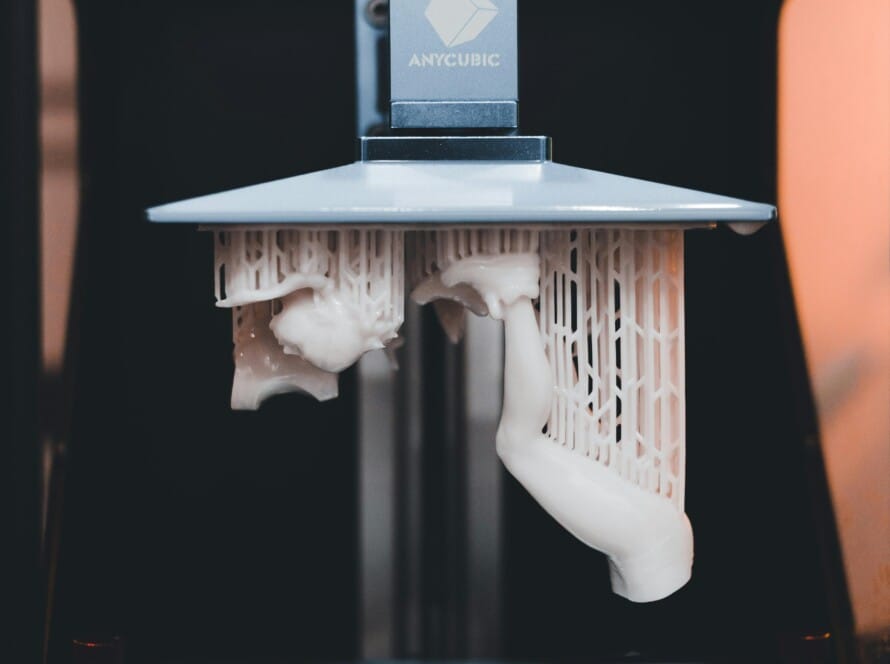
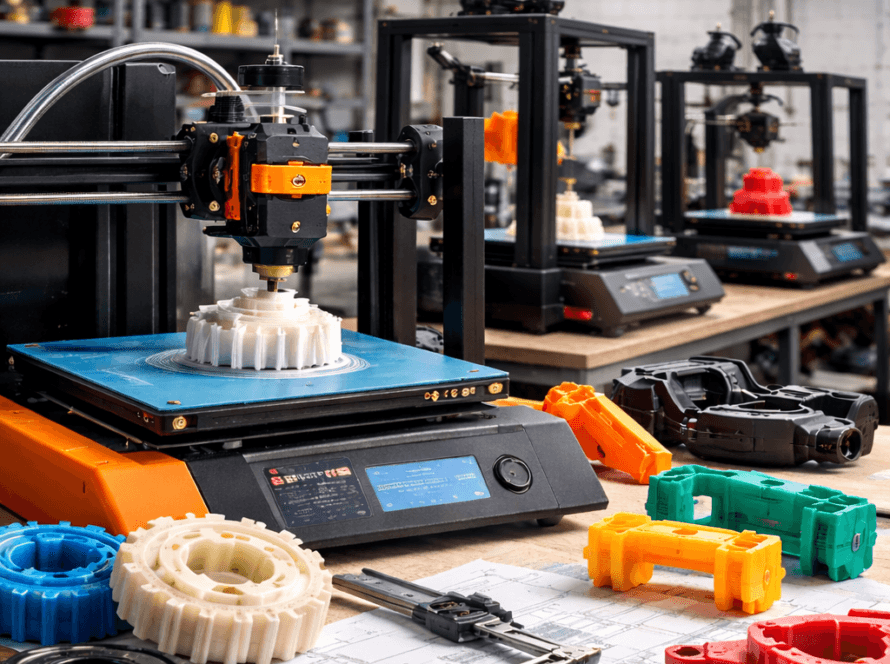
3D printing is no longer limited to prototyping or industrial use. Today, it is part of everyday life and is used at home, in education, small businesses, and for creating personalized items. Thanks to its accessibility, it has become a practical solution for real-world needs.
In this article, we explore clear and real examples of how 3D printing is used in daily life.
Home and everyday use
One of the most common uses of 3D printing is creating household items. It is especially helpful when standard products do not fit a specific space or requirement.
Additionally, each object can be adapted to personal preferences and interior style.
Examples include:
- cable organizers and holders
- hooks and clips
- mounts for shelves and devices
- covers and small replacement parts
3D printing helps solve everyday problems without replacing entire objects. It also allows greater control over shape, size, and design.
Replacement parts and repairs
Small plastic components such as clips, handles, or mounts often break in daily use. Finding exact replacements can be difficult.
3D printing offers a practical way to extend the life of many products.
With this technology, it is possible to:
- recreate broken parts
- replace discontinued components
- customize parts to specific dimensions
This is especially useful for appliances, furniture, vehicles, and electronics. It also helps reduce waste.
Personalized accessories
3D printing enables the creation of unique items that are not available in traditional stores.
Each product can be tailored to an individual, adding personal value.
Common examples:
- custom keychains made from images
- accessories with names or symbols
- unique design objects
- meaningful personalized gifts
These items stand out for their originality and emotional significance.
Products for pets
Pet owners increasingly use 3D printing to create practical accessories.
Customization allows products to match the size and needs of each animal.
Typical examples:
- bowl holders
- toys
- ID tags
- leash accessories
These products can be easily modified or replaced when needed.
Education and learning
In education, 3D printing is used as a visual and hands-on learning tool. It helps explain complex concepts and supports interactive learning.
Physical models make abstract ideas easier to understand.
It is commonly used for:
- educational models
- geometric shapes
- mechanical components
- presentation models
This approach makes learning more engaging and effective.
Small businesses and personal projects
For small businesses and creators, 3D printing offers a way to develop products with minimal upfront investment.
It is ideal for small batches and on-demand production.
Common uses include:
- custom products
- prototypes
- souvenirs and accessories
- project-specific parts
Many people start as a hobby and later turn 3D printing into a business opportunity.
Why 3D printing is part of everyday life
Key reasons for its adoption include:
- customization
- on-demand production
- time and cost efficiency
- local manufacturing
- design flexibility
These advantages make 3D printing suitable for a wide range of applications.
Conclusion
3D printing is a practical and accessible technology that has become part of everyday life. It enables personalized solutions, efficient resource use, and flexible product creation.
As the technology continues to evolve, its everyday applications will continue to expand.